
 Facebook
 X
X
 Pinterest
 Copy Link
Must-Have Features for Your Luxury Home 2026
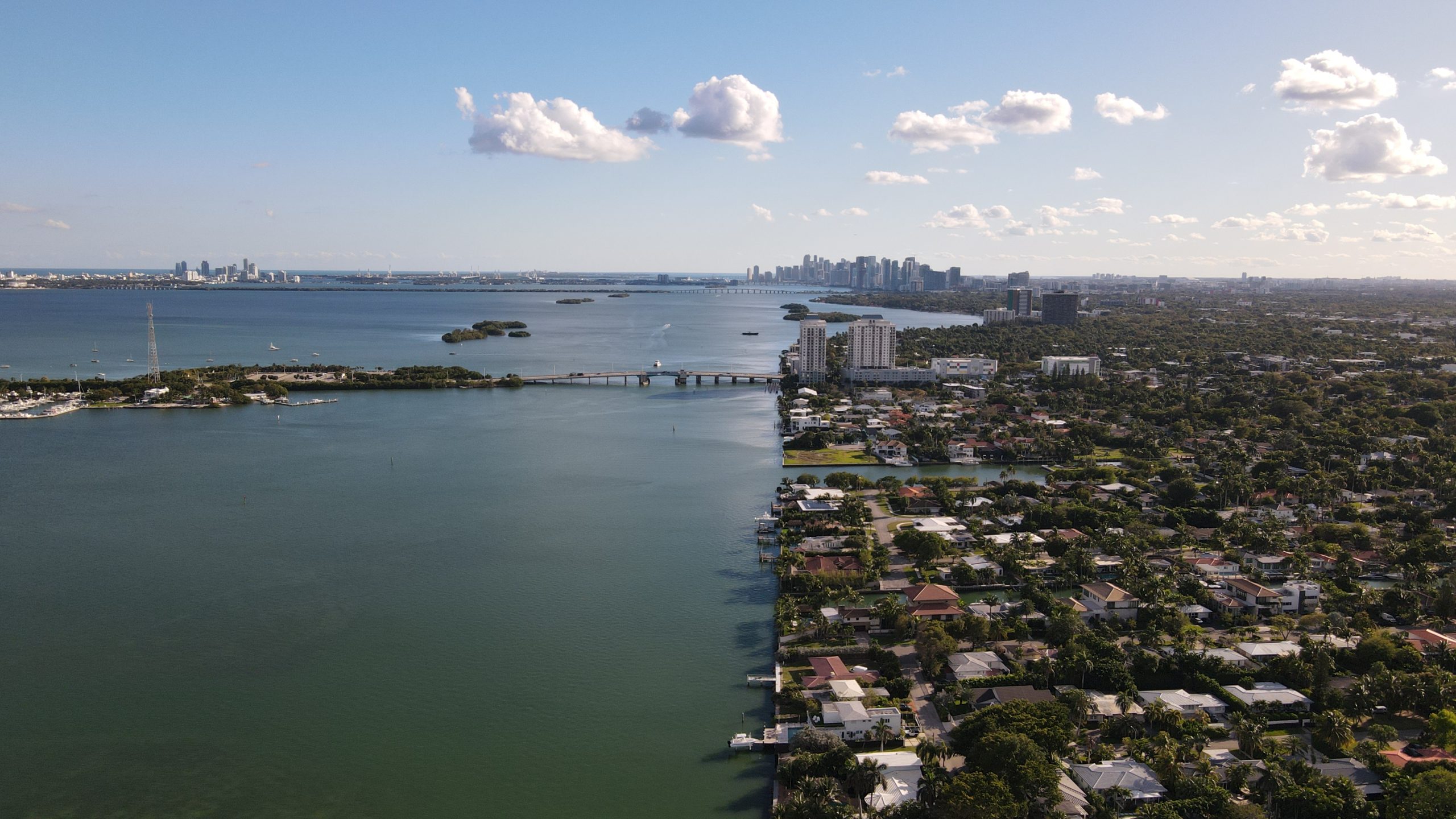
El Portal – Miami, FL
By John E. Bellotti
The luxury home market has gone through a real transformation over the last few years, and 2026 is no different. What used to close deals — marble countertops, a big foyer, a chef’s kitchen — is now just table stakes. Today’s high-net-worth buyers are sharper, more specific, and more personally involved in their home decisions than ever before.
Whether you’re shopping for a luxury home in South Florida, building from scratch, or upgrading a property you already own, this guide breaks down the features that actually matter right now. No fluff. Just the stuff that separates a truly exceptional home from everything else on the market.
Why the Definition of Luxury Is Changing in 2026
The generational shift is real. Gen-X and millennial buyers are now a dominant force in the luxury market, and they define it differently than their predecessors. According to trend reports from the American Society of Interior Designers and Coldwell Banker’s International Realty, grand spaces and expensive finishes alone no longer move the needle the way they once did.
What buyers want now is harder to fake: authenticity, sustainability, and homes that actually make daily life better. COVID accelerated this. Years of remote work sharpened people’s appetite for homes that deliver genuine quality of life, not just a great Instagram photo.
The throughline across all 2026 luxury trends is a shift toward personalization, wellness, sustainability, and long-term value. If a home delivers on all four, it’s defining the market right now.
The Must-Have Features for Your Luxury Home in 2026
1. Premium Materials Throughout the Home
Luxury starts with what a home is made of. Laminate, builder-grade finishes, and generic hardware have no place here. Every surface is an opportunity to make a statement. Stone tile, hardwood and bamboo flooring, plaster walls, glass tile, and precision metalwork all signal quality that holds up over time — and looks better for it.
The emphasis on premium, durable materials is accelerating in 2026 because luxury buyers expect their homes to hold up structurally and mechanically for decades without constant maintenance. A luxury home that needs serious work within ten years of construction isn’t truly luxury.
2. Fully Integrated Smart Home Technology
A luxury home in 2026 is a connected home. Lighting, climate, audio, window treatments, and door access should all operate through an integrated system controllable from anywhere. Security systems with interior and exterior cameras, motion detection, smart locks, and remote monitoring give owners peace of mind whether they’re home or across the world.
The benchmark is seamlessness. The best smart home technology disappears into the background and just works. Gen-X buyers in particular are making automated smart home systems a primary consideration when evaluating properties.
3. Wellness-Centered Design and Amenities
Wellness has moved from amenity to necessity. How a home makes you feel day to day is now a primary consideration for luxury buyers, and developers are responding with properties that function as full wellness environments.
The features buyers are specifically asking for include:
- Infrared saunas and hydrotherapy circuits
- Meditation and quiet rooms
- Circadian lighting systems designed around your body’s natural rhythms
- Whole-home air purification using HEPA filtration or UV disinfection technology
- Massage rooms and dedicated recovery spaces
- Biophilic design elements like living plants, skylights, and natural stone
The indoor-outdoor connection reinforces all of this. Floor-to-ceiling glass, hybrid living spaces, and abundant natural greenery signal that the home supports health rather than just providing shelter.
4. A Kitchen Built for Both Function and Spectacle
The kitchen is where premium materials and high performance meet. The single island is giving way to the double. Two-island kitchens create dedicated zones for food prep, casual dining, and remote work — a direct response to how hybrid work has blurred the line between home and office. The kitchen is no longer just for cooking. It’s a command center.
Expect quartz or granite countertops, professional-grade ranges with statement hoods, butler’s pantries, and lighting designed to make the room glow. Buyers are also requesting sculleries — secondary prep kitchens that absorb the mess of real cooking and keep the primary space camera-ready.
Dedicated beverage infrastructure has also moved from hotel lobbies into private homes. Mixology lounges, specialty coffee bars, and climate-controlled wine cellars are in serious demand among buyers who entertain and want the setup to match the ambition.
5. Spa-Level Bathrooms
Every bathroom in a luxury home should feel like a retreat. Heated floors, multi-head steam showers, soaking tubs, aromatherapy systems, smart mirrors with integrated displays, and bespoke fixtures transform a utilitarian space into something worth lingering in.
His-and-hers primary bathrooms are emerging as the true marker of ultra-luxury in 2026, with each side designed independently down to the materials and fixtures. The bathroom arms race has no ceiling in sight at the top of the market.
6. Seamless Indoor-Outdoor Living
The barrier between inside and outside should feel optional. Floor-to-ceiling glass, accordion doors, and expansive sliding panels bring the outdoors in on demand. Outside, dedicated living rooms, kitchens, and dining areas built with weather-resistant materials extend the home’s footprint into the landscape and allow for year-round use.
In South Florida especially, this feature is non-negotiable. Buyers expect to collapse the separation between interior and exterior on demand.
7. Hyper-Personalization and Purpose-Built Spaces
Cookie-cutter luxury is losing its appeal fast. Buyers at the top of the market have grown tired of homes that are lavish in all the predictable ways. A growing number are bypassing existing inventory entirely to commission bespoke builds from the ground up.
The defining word right now is tailored. Purpose-built specialty rooms that show up consistently in buyer requests include:
- Dedicated home theaters with ergonomic seating and integrated smart systems
- Golf simulators (high-rise apartments and suburban estates alike are fielding these requests)
- Game rooms and family entertainment spaces
- Proper home offices — sometimes two
- Craft studios, recording spaces, and art rooms
- Rooftop terraces and master suite balconies
- Private fitness facilities including lap pools, tennis courts, and pickleball courts
These rooms are not afterthoughts. They are the point.
8. Sustainability Built Into the Structure
Eco-conscious design has graduated from differentiator to requirement. Today’s luxury buyer expects solar integration, geothermal heating, and on-site energy storage as standard features of any serious build.
Agents note that eco-friendly features reduce long-term operating costs while adding measurable resale value, which makes the case beyond values alone. Rainwater harvesting systems, green roofs, and Passive House construction are no longer signals of compromise. They are signals of foresight.
9. Architectural Details That Earn Their Place
Archways, pillars, curved walls, recessed shelving, and thoughtfully placed nooks elevate a space when used with restraint. The goal is not decoration for its own sake. It is detail that makes a room feel intentional — as if every decision was made deliberately and nothing was left to default.
Scale matters too. Grand open spaces create a sense of arrival and give room to host, display art, and live expansively. But the best luxury homes balance openness with privacy, carving out separate spaces for work, relaxation, and entertainment.
10. A Dressing Room That Respects the Wardrobe
A mirror on a closet door is not a dressing room. A true luxury dressing space is a private room adjacent to the master suite with a walk-in closet, custom storage, full-length mirrors, and room to move. It is a dedicated space for getting dressed, not a corner of the bedroom.
11. Air Quality and Environmental Systems
The most sophisticated luxury feature in a home is often the one you cannot see. Whole-home air purification systems using HEPA filtration or UV disinfection technology remove pollen, pet dander, dust, and pathogens from the air. Paired with a superior HVAC system, the result is a home that feels genuinely healthy to live in — not just beautiful to look at.
12. Edible Gardens, Greenhouses, and Sustainable Landscaping
Self-sufficiency is having a cultural moment, and luxury buyers want it built into the property. Established kitchen gardens, greenhouse structures, and farm-to-table infrastructure are increasingly common requests, particularly from buyers who want to eat well and do it on their own terms. An inherited, mature garden is considered a genuine selling point in 2026.
Don’t Forget: Appliances at the Top of Their Class
Brands like La Cornue, Gaggenau, Miele, Viking, and Thermador exist because performance and aesthetics at this level are not interchangeable. Premium appliances extend to the laundry room and outdoor cooking areas, not just the kitchen. Every machine in the home should feel like it was selected rather than defaulted to.
What Today’s Luxury Buyer Is Actually Optimizing For
Status and opulence alone no longer close deals at this level. Today’s high-net-worth buyer wants something harder to replicate: a home that feels genuinely singular, built around their life rather than a developer’s checklist.
They are explicitly chasing four things:
- Personalization — the home reflects them specifically, not a generalized vision of wealth
- Wellness — the space actively supports their health, recovery, and mental clarity
- Sustainability — the build reflects their values and reduces long-term operating costs
- Staying power — the home holds up mechanically, structurally, and aesthetically for decades
The homes that deliver on all four are the ones defining the luxury market in 2026.
Luxury Home Features That Matter Most in South Florida
If you’re buying or selling a luxury home in Miami, North Miami, or anywhere along the South Florida coast, a few of these features carry extra weight.
Indoor-outdoor living is not optional here; it is the product. Buyers expect it to be executed flawlessly. Oceanfront and waterfront locations command premium attention precisely because the surrounding environment does half the wellness work for you. And smart home security infrastructure matters more in dense urban markets where remote monitoring and access control are daily realities, not theoretical conveniences.
If you’re selling a luxury home in Miami-Dade or Broward County, the features in this guide are what buyers are walking in expecting to see. If your home delivers on them, it will sell. If it doesn’t, no amount of staging will close that gap.
FAQs About Must-Have Features for Your Luxury Home 2026
What are the most important features in a luxury home in 2026?
The features that matter most in 2026 go beyond expensive finishes. Buyers are prioritizing wellness amenities (infrared saunas, air purification, circadian lighting), seamless indoor-outdoor living, fully integrated smart home technology, hyper-personalized spaces, and sustainability features like solar and geothermal systems. Premium materials and architectural craftsmanship remain foundational, but they’re now expected rather than impressive on their own.
What smart home technology should a luxury home have?
A fully connected luxury home in 2026 should have integrated control of lighting, climate, audio, window treatments, and door access through a single system operable from anywhere. Security should include interior and exterior cameras, motion detection, smart locks, and remote monitoring. The best systems are invisible — they just work seamlessly without requiring the homeowner to manage complexity.
Are sustainable features worth adding to a luxury home?
Yes, and they’re no longer optional at the high end. Solar integration, geothermal heating, on-site energy storage, and rainwater harvesting are now baseline expectations among serious luxury buyers. Architects confirm that eco-friendly features reduce long-term operating costs and add measurable resale value. Sustainability is both a values signal and a financial investment.
What wellness features are buyers looking for in luxury homes?
Wellness has become one of the top priorities in luxury home design. Buyers are specifically requesting infrared saunas, steam rooms, hydrotherapy circuits, meditation spaces, massage rooms, whole-home air purification systems, and circadian lighting. Biophilic design elements like natural stone, living plants, and abundant natural light also factor in. The goal is a home that actively supports health, not just one that looks impressive.
What kitchen features are must-haves in a luxury home?
Double islands, sculleries, butler’s pantries, professional-grade appliances (Gaggenau, Miele, La Cornue, Viking, Thermador), and dedicated beverage centers are the features that define luxury kitchens in 2026. Keeping rooms — informal sitting areas adjacent to the kitchen — are also in high demand. The kitchen needs to function as a command center for hybrid work, entertaining, and family life simultaneously.
What outdoor features do luxury home buyers expect?
Fully equipped outdoor kitchens, dining rooms, and lounges built with weather-resistant materials are now standard expectations. Private sports courts (tennis, basketball, pickleball), edible gardens, and pool areas extend the home’s footprint into the landscape. In markets like South Florida, outdoor living is essentially year-round, which makes these features especially critical to value and marketability.
Is a golf simulator worth it in a luxury home?
For the right buyer, absolutely. High-rise apartments and suburban estates alike are fielding requests for simulator rooms, and they’re increasingly common in both new construction and renovation projects. Purpose-built entertainment spaces that create genuine joy and utility — whether it’s a golf simulator, a home theater, or a game room — make a home a destination, and destination homes have real staying power in the resale market.
What makes a luxury home different from a regular high-end home?
The difference is intentionality. A luxury home is the sum of decisions made at every level — from the materials underfoot to the air you breathe. It isn’t just expensive. It was clearly designed with purpose, built to perform, and capable of making daily life genuinely better. When premium materials, smart technology, wellness infrastructure, sustainability, and personalized spaces all come together with intention, the result is a home that earns its value every single day.
Thinking About Buying or Selling a Luxury Home in South Florida?
Whether you’re evaluating properties or preparing one for sale, knowing what today’s buyers actually want gives you a real edge. I work with sellers and buyers across North Miami, Miami Beach, and surrounding neighborhoods, and I can tell you exactly how your home stacks up against current buyer expectations.
Reach out directly — let’s talk about your specific situation and what moves make sense for you.
John E. Bellotti | Bellotti Signature Real Estate | Coldwell Banker Realty
Miami Housing Market Update – March 2026
Miami’s real estate market is shifting in favor of buyers, and rare homes are being scooped up. Active listings are up significantly, and for the first time in years, buyers are gaining real negotiating power; sellers are consistently accepting offers around 6% below asking price on average.
Luxury is still booming — sales of $1M+ homes are up over 21%, and Miami continues to lead the nation in cash purchases, with nearly 43% of sales closing without financing.
The condo market is especially buyer-friendly right now, with inventory at a 13.7-month supply — though buyers should carefully review HOA finances and reserve funds, as Florida’s post-Surfside condo safety laws continue to drive fee increases in older buildings.
Whether you’re a first-time buyer, ready to sell, investor, or upsizing to luxury; I know this market inside and out.
Contact me today for a personalized strategy session.
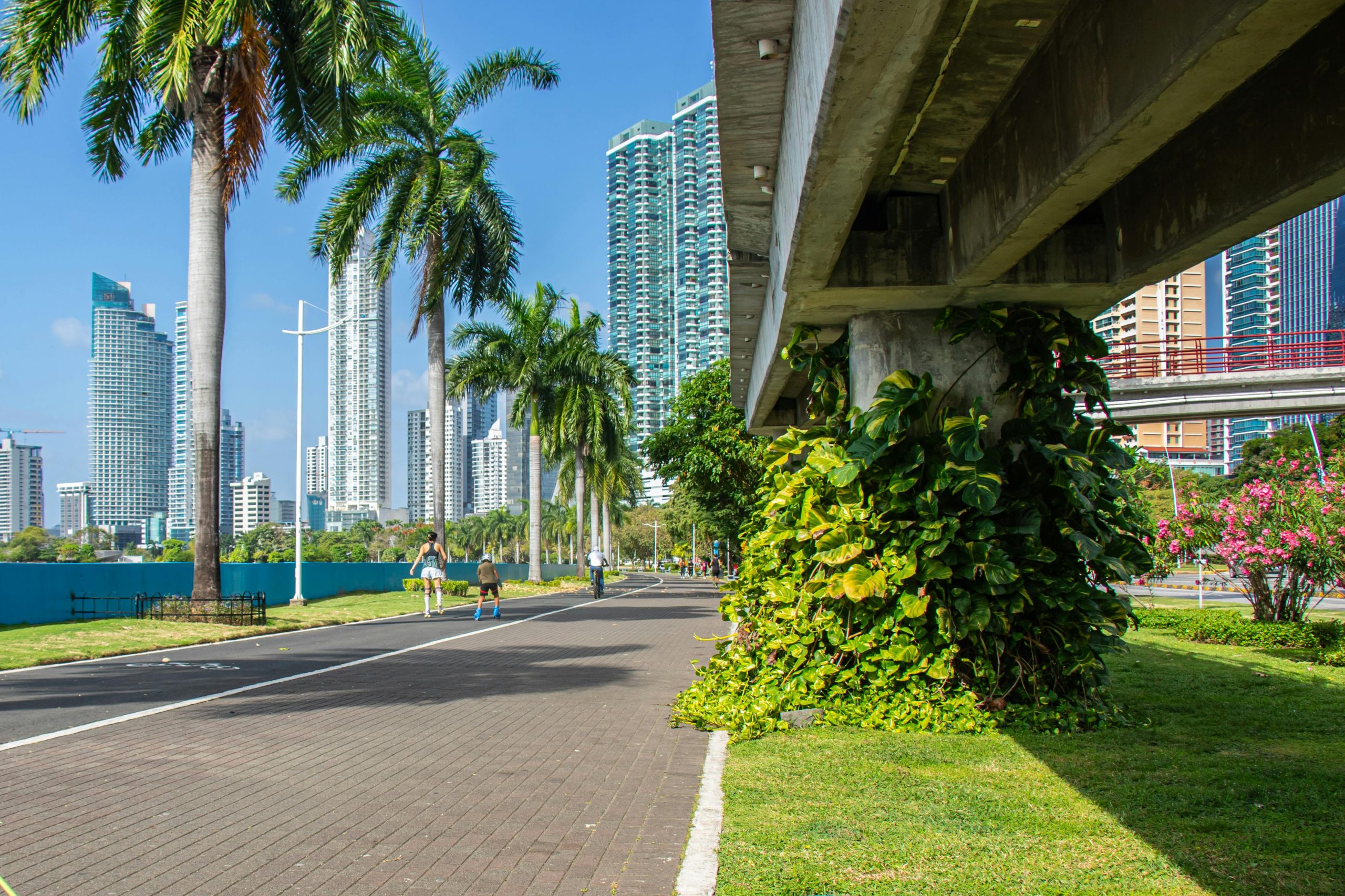
Choosing a Custom Home Builder in Miami

By John E. Bellotti
Building a custom home in the most luxury neighborhoods in Miami is exciting. It is also a big financial and emotional commitment. The builder you choose will directly affect your budget, timeline, stress level, and the final result. This guide breaks down how to choose the right custom home builder in Miami in a clear, practical way so you can move forward with confidence.
The insights below are based on real Miami market data and best practices from local architects and luxury builders.
Why Choosing the Right Builder in Miami Matters
Miami is not like other luxury markets. Climate, zoning, flood rules, hurricane codes, and luxury buyer expectations all raise the bar. A builder who performs well elsewhere may struggle here.
A good Miami custom home builder understands:
Local permitting and zoning
Hurricane and flood requirements
Indoor outdoor living design
Luxury finishes and resale expectations
Choosing the wrong builder often leads to delays, budget overruns, and compromises that are hard to fix later.
Understand the Miami Custom Home Market
Before you interview builders, you need realistic expectations.
Miami Luxury Home Pricing Basics
Luxury homes in Miami usually start at $1M and up. New custom builds in this range often exceed $2M just for construction, not including land.
Typical characteristics include:
2,600+ square feet
Custom layouts
High end materials
Smart home features
Outdoor living spaces
Knowing these numbers helps you quickly identify builders who actually work at your level.
Decide What Type of Builder You Need
Not all builders operate the same way.
Production Builder
Limited customization
Lower price per square foot
Not ideal for true custom homes
Custom Home Builder
Builds one off homes
Works from architectural plans
Better fit for unique designs
Integrated Architect Builder Team
Design and construction coordinated from day one
Better cost control
Fewer surprises
Stronger results in Miami’s regulatory environment
In Miami, integrated teams tend to deliver smoother projects, especially for modern or luxury homes
How to Vet a Custom Home Builder in Miami
Marketing looks good on websites. Real vetting goes deeper.
Review Their Portfolio
Look for:
Completed homes, not renderings
Projects in Miami or South Florida
Homes similar to what you want to build
If their portfolio is mostly condos or renovations, they may not be right for a ground up custom home.
Check Experience With Miami Regulations
Ask direct questions:
Have you built in flood zones
How do you handle hurricane codes
Who manages permits and inspections
Local experience saves months of delays.
Ask About Project Management
Strong builders offer:
Clear timelines
Line item budgets
Change order processes
Regular updates
If answers are vague, expect problems later.
Talk to Past Clients
Ask clients:
Did the project stay close to budget
How were issues handled
Would you hire them again
Past behavior is the best predictor of future performance.
Customization and Features to Prioritize
Miami buyers expect more than just a nice house.
High Value Features in Miami
Rooftop terraces
Indoor outdoor living areas
Impact glass and storm protection
Smart home systems
Resort style pools and spas
Premium natural materials
Builders who regularly deliver these features understand Miami luxury expectations
Budget and Timeline
Cost Expectations
High end custom homes often start around $500 per square foot for construction alone. Complex designs, waterfront lots, and premium finishes increase that number.
Timeline Expectations
Most custom homes take 12 to 24 months from design to move in. Faster timelines usually mean shortcuts.
Red Flags to Watch For
Be cautious if a builder:
Avoids detailed pricing
Pushes template designs
Has few completed Miami projects
Cannot clearly explain permits and codes
Over promises speed or low cost
In Miami, precision matters more than promises.
Step by Step Builder Selection Process
- Define your vision and must haves
- Set a realistic budget range
- Shortlist builders with Miami experience
- Review portfolios and visit completed homes
- Interview builders and ask tough questions
- Request detailed proposals
- Verify licenses, insurance, and references
- Choose clarity and experience over price
This process protects your investment and your peace of mind.
FAQs About How to Choose a Custom Home Builder in Miami
How much does it cost to build a custom home in Miami?
Most luxury custom homes start above $2M for construction. Costs vary by size, design, materials, and location.
How long does it take to build a custom home in Miami?
Expect 12 to 24 months including permitting, design, and construction.
Should I hire an architect separately from the builder?
In Miami, integrated architect builder teams often reduce cost overruns and delays by coordinating design and construction early.
What makes a luxury custom builder different?
Luxury builders specialize in premium materials, advanced systems, detailed craftsmanship, and high touch service.
How do I verify a builder’s credentials?
Confirm licensing and insurance, review completed projects, check professional affiliations, and speak directly with past clients.
Final Thoughts
Choosing a custom home builder in Miami is not about finding the cheapest option. It is about finding a team that understands the market, respects the process, and can execute your vision without constant friction.
When you choose wisely, the experience becomes exciting instead of stressful and the home becomes a long term asset instead of a regret.
If you are planning a custom home in Miami and want clarity before you commit, take your time, ask hard questions, and choose experience over hype.
Should You Renovate Before Selling?

By John E. Bellotti
If you’re thinking about selling your home, one big question usually comes up fast: should you renovate before selling, or just list it as-is? With buyers flocking to get into exclusive Miami neighborhoods, this question determines the selling strategy.
The short answer is it depends. The longer answer is below and it can save you time, money, and stress if you get it right.
This guide breaks down what pays off, what doesn’t, and how to decide based on your home, your market, and your goals. The recommendations below are based on Florida real estate data and resale-focused renovation guidance.
Why This Decision Matters
Renovating before selling can increase your sale price, but it can also cut into your profit if you overspend or renovate the wrong things.
Many sellers assume that any money put into a home automatically comes back at closing. In reality, that’s rarely true. Most buyers care more about condition, layout, and first impressions than luxury finishes.
The goal is not to renovate more.
The goal is to renovate smarter, or not at all.
Start With an Honest Look at Your Home
Think Like a Buyer, Not an Owner
Walk through your home as if you were seeing it for the first time.
Ask yourself:
- Does it feel clean and well-maintained?
- Are there obvious problems that stand out right away?
- Would a buyer feel comfortable moving in soon?
A home inspection or pre-listing walkthrough can help separate real issues from things that just feel personal to you as the owner.
Your Local Market Changes Everything
Seller’s Market vs Buyer’s Market
- Seller’s market: Homes sell quickly and buyers compete. Major renovations are usually unnecessary.
- Buyer’s market: More inventory, picky buyers. Light updates can help your home stand out.
Who Is Buying in Your Area?
- Investor-heavy areas often prefer fixer-uppers.
- Family or move-in-ready buyers expect clean, updated spaces.
If nearby homes are selling without major upgrades, that’s a strong signal you don’t need to overdo it.
Understand ROI Before You Spend a Dollar
Big Remodels Rarely Pay Back
Full kitchen or bathroom remodels often return only 50% to 70% of their cost at resale. In some cases, they can actually hurt value if the finishes don’t match buyer tastes or neighborhood pricing.
Cosmetic Updates Usually Win
Lower-cost improvements tend to offer the best return because they:
- Improve first impressions
- Appeal to more buyers
- Don’t lock buyers into your design choices
The 30% Rule for Renovating Before Selling
A good general guideline is the 30% rule:
Don’t spend more than 30% of your home’s current market value on renovations before selling.
In most cases, staying well below that number is even safer. This helps prevent over-improving and pricing yourself out of your own neighborhood .
What’s Usually Worth Fixing Before Selling
1. Repairs You Should Never Skip
These can kill deals during inspections or limit financing options:
- Roof leaks or water damage
- Mold or moisture issues
- Broken HVAC systems
- Electrical or plumbing problems
Fixing these protects your price and keeps buyers from walking.
2. High-ROI Cosmetic Improvements
These updates are affordable and make a big impact:
- Fresh, neutral interior paint
- Updated light fixtures and hardware
- New switch plates and outlet covers
- Landscaping cleanup and curb appeal
- Power washing driveways and walkways
These changes help your home feel clean, modern, and cared for.
3. Kitchens and Bathrooms (Without Full Remodels)
Instead of gut renovations, focus on:
- Painting cabinets or replacing hardware
- Updating faucets and lighting
- Regrouting tile and refreshing caulk
- Using mid-range, neutral finishes
Buyers want kitchens and bathrooms that feel functional and fresh, not custom-designed for someone else.
When Renovating Does Make Sense
Renovating before selling may be worth it if:
- You’re in a high-end or competitive market
- Nearby renovated homes are selling faster and for much more
- Your home is one or two upgrades away from top pricing
- You have time and budget to do it right
Even then, be selective and data-driven.
When Selling As-Is Is the Smarter Move
Selling as-is often makes sense when:
- The home is heavily outdated or near teardown
- Investors dominate your local market
- You need a fast, simple sale
- You don’t want to manage contractors or delays
Speed, simplicity, and certainty can be worth more than squeezing out every last dollar.
Final Thoughts: Renovate Strategically, Not Emotionally
There is no one-size-fits-all answer to whether you should renovate before selling. The best decision depends on:
- Your home’s condition
- Your local market
- Your timeline
- Your financial goals
In most cases, clean, fresh, and structurally sound beats expensive and overdone.
FAQs About Should You Renovate Before Selling
Should I renovate my house before selling it?
Not always. Many homes sell well with light cosmetic updates or even as-is, especially in strong markets.
What renovations add the most value before selling?
Cosmetic improvements like paint, lighting, minor kitchen and bathroom updates, and curb appeal usually offer the best return.
Are major remodels worth it before selling?
Most full remodels do not return their full cost and can sometimes reduce buyer interest.
Is it better to sell as-is or renovate?
Selling as-is can be the better choice in investor-heavy markets, distressed properties, or when time is more important than price.
How much should I spend on renovations before selling?
A common guideline is no more than 30% of your home’s current value, and ideally much less.
If you’re unsure which path makes sense for your home, a resale-focused strategy matters more than construction quality alone. Renovate only what adds clear value, skip what doesn’t, and let the market do the rest.
Not sure whether to renovate or sell as-is? A quick, strategic review can save you thousands and help you sell faster. Reach out to John Bellotti to get a clear, resale-focused plan tailored to your home, your market, and your goals before you make a single upgrade.
Miami Neighborhoods with the Most Exclusive Luxury Homes

By John E. Bellotti
Miami is no longer an “up and coming” luxury market. It is a global ultra-luxury destination where privacy, waterfront access, and service matter more than zip codes. The most exclusive luxury homes in Miami are spread across islands, beachfront corridors, and select urban districts, each offering a different version of high-end living.
This guide breaks down which Miami neighborhoods have the most exclusive luxury homes, why they command record prices, and how buyers should think about choosing the right area based on lifestyle and long-term value. The insights below are based on current market behavior and the key drivers of exclusivity outlined in the attached reference material .
What makes a Miami neighborhood truly exclusive?
Luxury in Miami is not just about price per square foot. The most exclusive neighborhoods share a few core traits.
Scarcity of homes
Limited inventory, whether from private islands or tightly zoned beachfront, keeps prices strong.
Privacy and security
Gated access, ferry-only islands, controlled entry points, and full-service staff are common at the top tier.
Water access
Oceanfront views, bay views, private docks, and marina access drive long-term value.
Service and infrastructure
Branded residences, concierge teams, low elevator-to-residence ratios, and discreet arrival sequences define day-to-day living at the high end.
Buyers who understand these factors tend to make better long-term decisions than those chasing headlines or trends.
Private island neighborhoods with the most exclusive luxury homes
Star Island
Star Island is one of the most recognizable luxury addresses in the world. Guarded access, massive waterfront estates, and celebrity ownership make it a symbol of Miami wealth. Inventory is extremely limited, and homes here are prized for privacy and proximity to South Beach and Downtown Miami.
Fisher Island
Fisher Island takes exclusivity further. Accessible only by ferry or private boat, it offers resort-level amenities including golf, marina access, tennis, and private beaches. Homes here are tightly held, and resale velocity is low, which helps support long-term pricing.
Indian Creek Island
Often called the “Billionaire Bunker,” Indian Creek Island is one of the most secure residential enclaves in the country. With roughly 40 waterfront homes, a private golf course, and 24-hour security, it represents the highest level of scarcity and discretion.
Prestige beachfront neighborhoods
South of Fifth
South of Fifth, also known as SoFi, is the crown jewel of Miami Beach. Surrounded by water, this area features ultra-luxury condominiums and penthouses with direct ocean views. Inventory is limited, and demand from international buyers remains strong.
Bal Harbour
Bal Harbour combines oceanfront living with quiet streets and world-class shopping. Luxury condos and beachfront homes here appeal to buyers who want refinement, privacy, and a polished environment rather than nightlife.
Sunny Isles Beach
Sunny Isles offers vertical luxury living with panoramic ocean views. Branded towers and resort-style amenities attract international buyers looking for newer construction, full-service buildings, and strong rental demand.
Urban luxury neighborhoods with exclusive homes
Brickell
Brickell is Miami’s financial and business core, now home to some of the city’s most exclusive branded residences. Buyers here value walkability, dining, private clubs, and hotel-style services. Luxury homes in Brickell often deliver strong rental performance.
Edgewater
Edgewater offers bayfront living with quick access to Miami Beach, the Design District, and Downtown. East-facing residences with protected water views are especially prized for their quiet setting and long-term outlook.
Established luxury enclaves for long-term stability
Coral Gables
Coral Gables is known for large estates, gated communities, private schools, and golf access. Buyers here tend to be long-term owners focused on family living and capital preservation rather than short-term returns.
Coconut Grove
Coconut Grove blends waterfront access with mature landscaping and a more relaxed pace. Luxury homes with dockage are especially appealing to boating households who want privacy without isolation.
How to choose the right exclusive Miami neighborhood
When buying at the top end of the market, lifestyle alignment matters more than trends.
If privacy is the priority, private islands offer the strongest insulation from market swings.
If ocean living and hospitality matter most, beachfront neighborhoods deliver daily value and rental upside.
If walkability, culture, and business access are key, urban luxury districts make the most sense.
Across all categories, buyers should study view protection, building operations, security design, and long-term maintenance standards before committing .
FAQs About Miami neighborhoods with the most exclusive luxury homes
What is the most exclusive neighborhood in Miami?
Private islands such as Fisher Island and Indian Creek Island are generally considered the most exclusive due to limited inventory, controlled access, and extreme privacy.
Which Miami neighborhoods have the most expensive luxury homes?
Star Island, Indian Creek Island, and select waterfront areas of Miami Beach regularly see record-breaking sales and the highest price points.
Are luxury homes in Miami a good long-term investment?
Yes, but performance depends on location. Scarcity, water access, and security are key drivers of long-term value in Miami’s luxury market.
What is better for luxury buyers, islands or condos?
Islands offer privacy and long-term stability. Luxury condos offer convenience, services, and often better rental flexibility. The right choice depends on lifestyle and use.
Do branded residences matter in exclusive neighborhoods?
At the ultra-luxury level, branded residences often signal higher service standards, better building management, and stronger long-term asset care.
Final thoughts
Miami’s most exclusive luxury homes are defined by how quietly and effortlessly you can live, not just by price. Whether you prefer a private island, oceanfront penthouse, or urban luxury residence, the best results come from matching the neighborhood to your lifestyle and long-term goals.
If you are considering buying or investing in one of Miami’s most exclusive neighborhoods, understanding these distinctions upfront can save time, protect capital, and improve quality of life.
The right home starts with the right information. I offer honest guidance on Miami’s most exclusive neighborhoods so you can choose what truly fits.
Update 1/20/26: Miami Has Highest Concentration of Millionaires in U.S. Cities: Study
Global advisory firm Henley & Partners found nearly 40,000 millionaires and billionaires in the 305. – Miami New Times
